


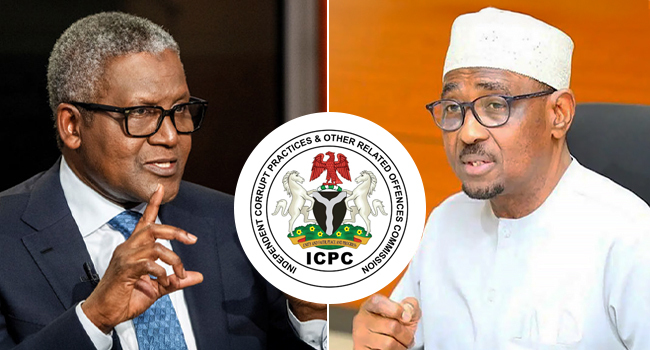
A high-profile dispute between Nigerian industrialist Aliko Dangote and oil sector regulator Farouk Ahmed has intensified, evolving from policy disagreements into serious corruption allegations now under investigation.
The clash, which has drawn national attention, centres on the future of Nigeria’s downstream petroleum sector, particularly the balance between fuel importation and local refining.
How the Dispute Began
The tension initially stemmed from disagreements over fuel import policies and regulatory decisions affecting domestic refining.
Dangote, who built one of Africa’s largest refineries in Lagos, has consistently argued that continued fuel import licences undermine local production and discourage investment in Nigerian refining capacity.
On the other side, the Nigerian Midstream and Downstream Petroleum Regulatory Authority (NMDPRA), led by Farouk Ahmed, maintains that imports remain necessary to meet national demand, as local refineries are not yet fully sufficient.
Formal Corruption Allegations
The situation escalated in December 2025 when Dangote formally petitioned the Independent Corrupt Practices and Other Related Offences Commission (ICPC).
In the petition, Dangote accused Farouk Ahmed of corruption, abuse of office, and regulatory bias. Among the key claims were allegations that the NMDPRA leadership favoured fuel importers through licensing decisions, which he described as economic sabotage against local refining efforts.
He also raised concerns about Farouk’s personal finances, alleging that the regulator had lived beyond his legitimate income, including claims of multi-million-dollar educational expenses for his children abroad.
The petition prompted swift reactions across the country, with the House of Representatives initiating a probe and summoning both parties for further clarification.
Farouk Ahmed Breaks Silence
In response, Farouk Ahmed issued a statement distancing himself from circulating media reports that claimed to represent his rebuttal.
He described the allegations as “wild and spurious” and stated that he would not engage in a public media battle. Instead, he expressed willingness to cooperate with investigations, noting that the process would provide an opportunity to clear his name.
Leadership Changes Follow
Shortly after the controversy escalated, Farouk Ahmed stepped down from his role alongside another key regulator, Gbenga Komolafe.
President Bola Tinubu subsequently requested Senate approval for new leadership across Nigeria’s petroleum regulatory bodies, including fresh appointments for both upstream and downstream agencies.
While no official link has been confirmed, the timing of the resignations has fueled speculation about the broader impact of the dispute.
What This Means Going Forward
The Dangote-Farouk feud highlights deeper tensions within Nigeria’s oil and gas sector, particularly around regulation, investment protection, and the country’s long-standing dependence on fuel imports.
With investigations ongoing and leadership changes already underway, the outcome of this confrontation could shape the direction of Nigeria’s energy policy and regulatory environment for years to come.